

BLOG
News about Bonaire and our tours
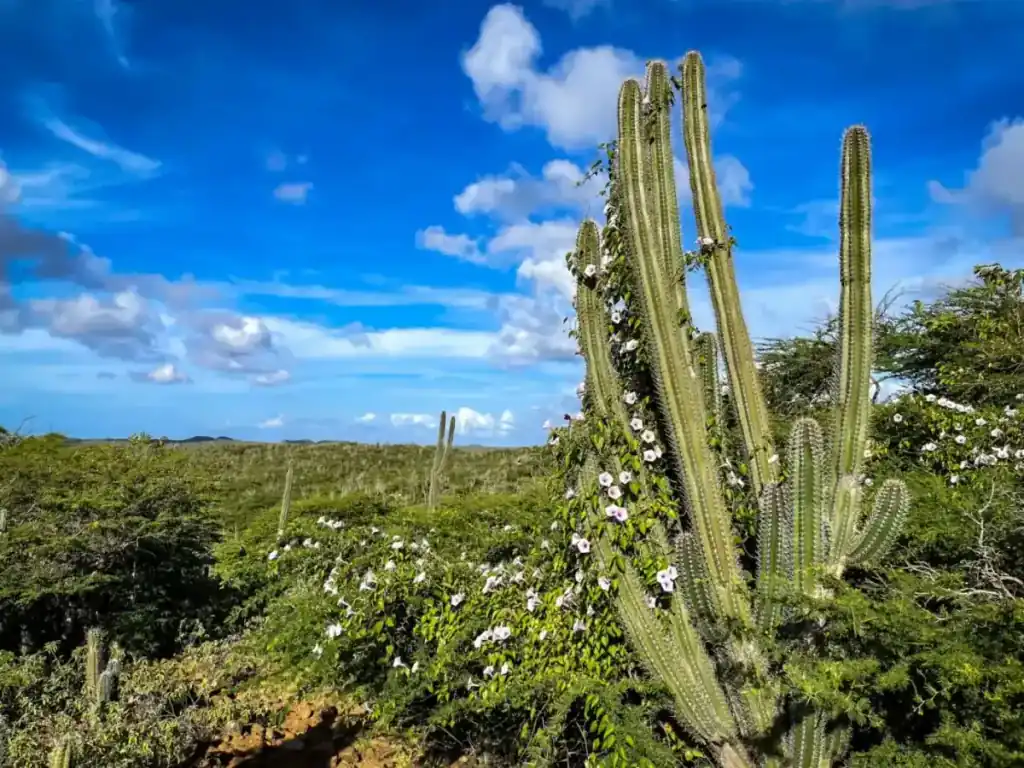
Hiking on Bonaire? Yes, of course.
Hiking tour
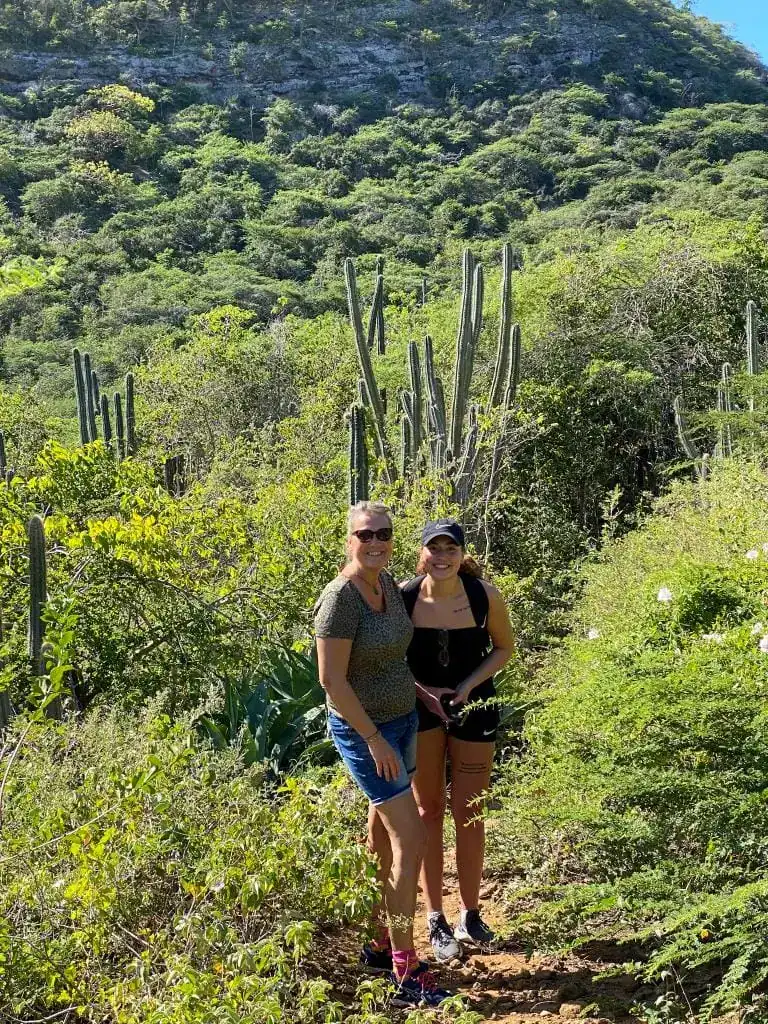
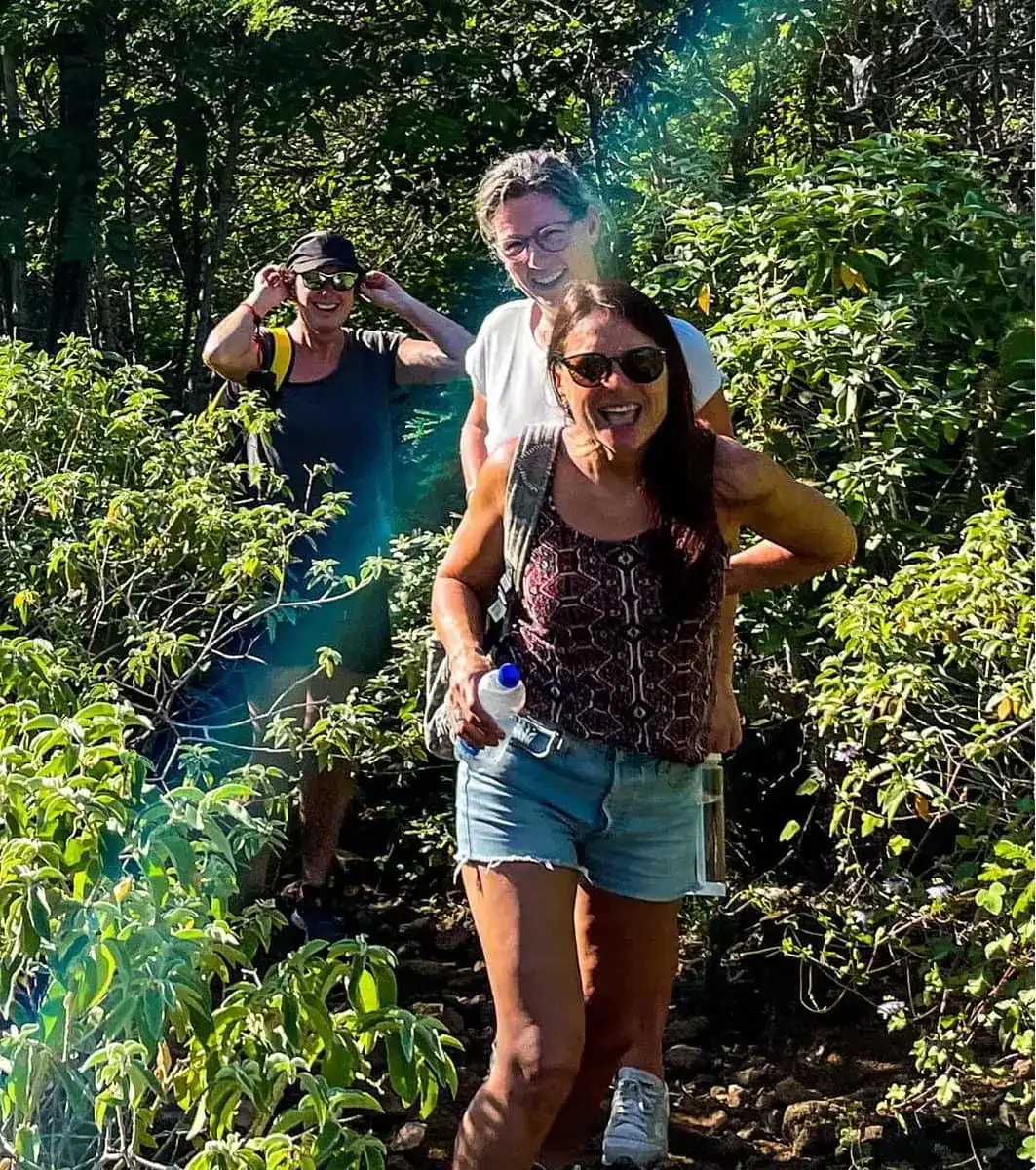
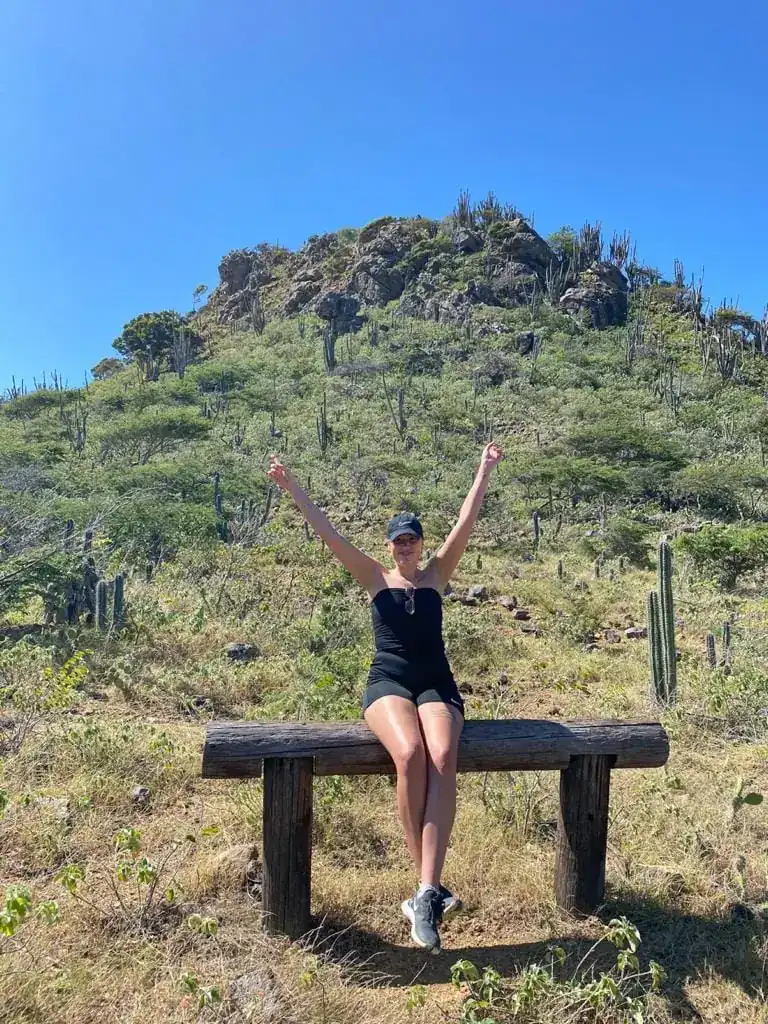
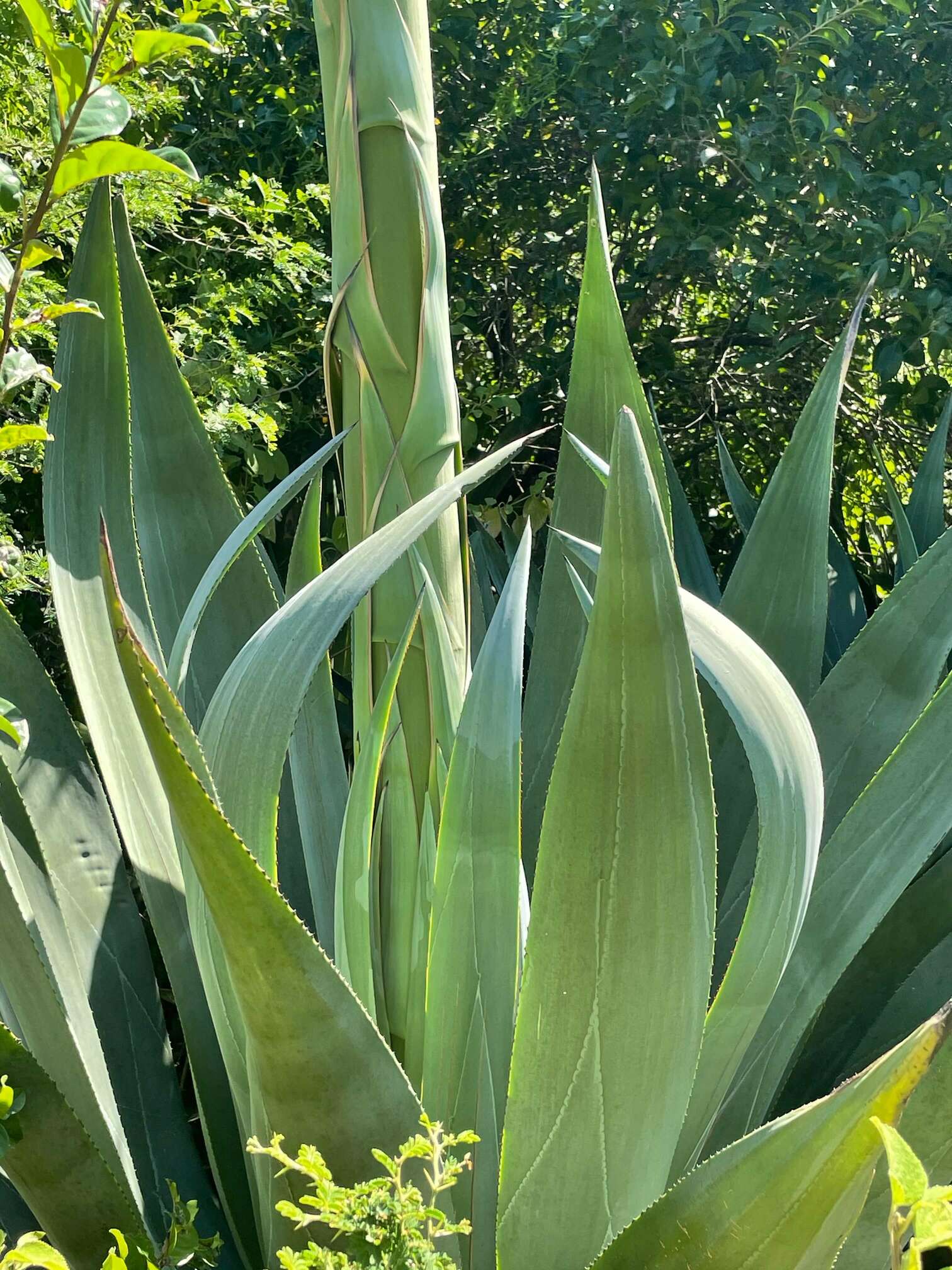
Three friends had booked a hiking tour with me. That means up early, so it's not too hot to walk. At exactly 8 o'clock we were at the hiking trail and we started our journey. The first part of this trail is a bit uphill. We walked between the *Kadushi cacti, the Agave plants and many more species of trees and plants.
complaining sound
In the distance we heard a plaintive sound. It sounded like a lamb calling for its mother. We went in search of the lamb, which may have been in trouble. After 10 minutes of searching we saw the lamb in the distance. Fortunately, the mother goat was already approaching. We walked back to our path, reassuring that everything was okay.
Ouch!
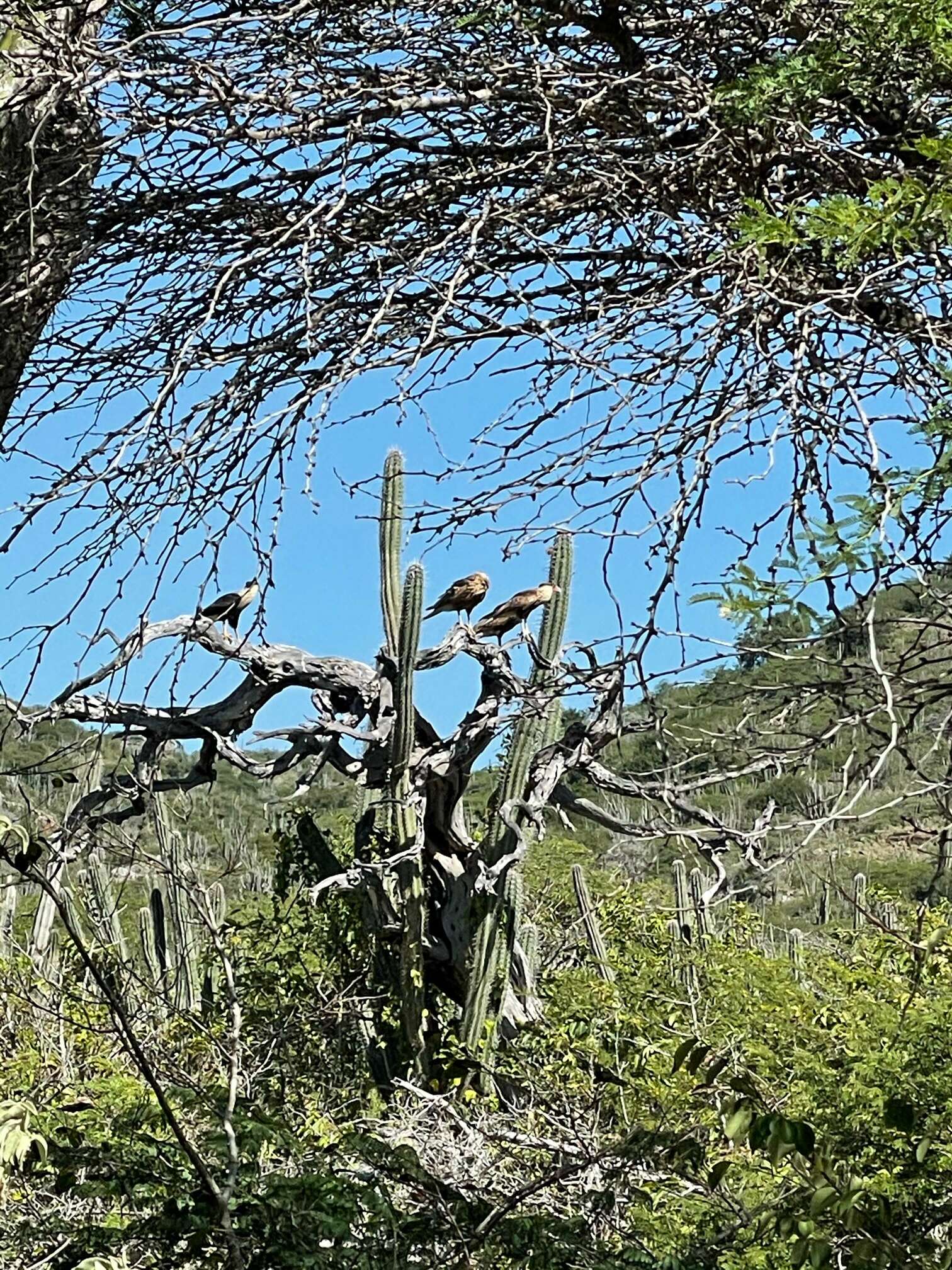
Further on, in a **Brazil tree**, sat 5 WaraWaras (CaraCara). These are the largest birds of prey on the island. The colors of the WaraWara are beautiful. We walked a little closer to take photos… "Ouch!" one of the friends cried. She had bumped her ankle against a cactus and it was now stuck in her sock just above her shoe. Luckily, I always have a special cactus remover with me. Very carefully, I pulled on the cactus; yes, it worked without a needle being left behind in her ankle. We take a short break to catch up on what we have seen and experienced.
And through
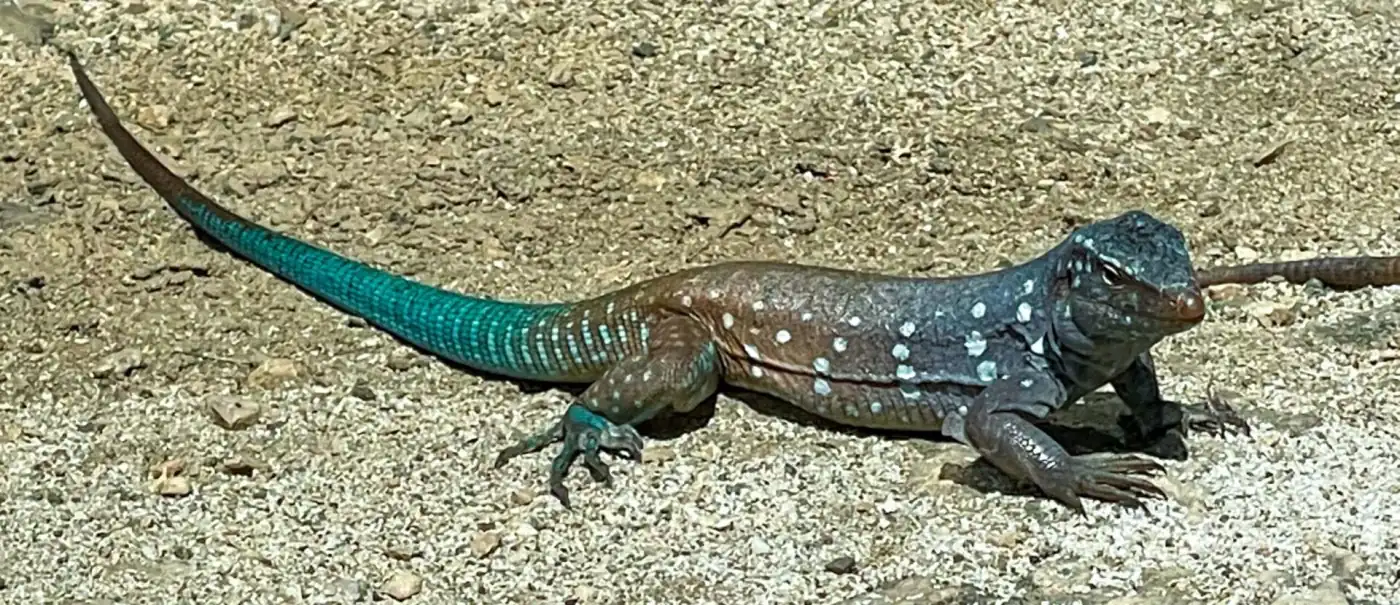
After we had rested, we continued on our way. Upon reaching the halfway point, we could enjoy the fantastic view over a large part of Bonaire. To our left and right, we heard rustling; it was the BlouBlou lizards with their turquoise tails. There must be something to eat nearby, because there are quite a few of them—about 20 lizards running towards something. We went to take a look too and indeed saw an apple lying there. Probably from a hiker ahead of us. The lizards feasted on it, and suddenly a large iguana came walking up. Hey, too, fancied a piece of fruit. The BlouBlou lizards made a run for it; they couldn't stand up against this giant (certainly in their eyes), not even with twenty of them.
last piece
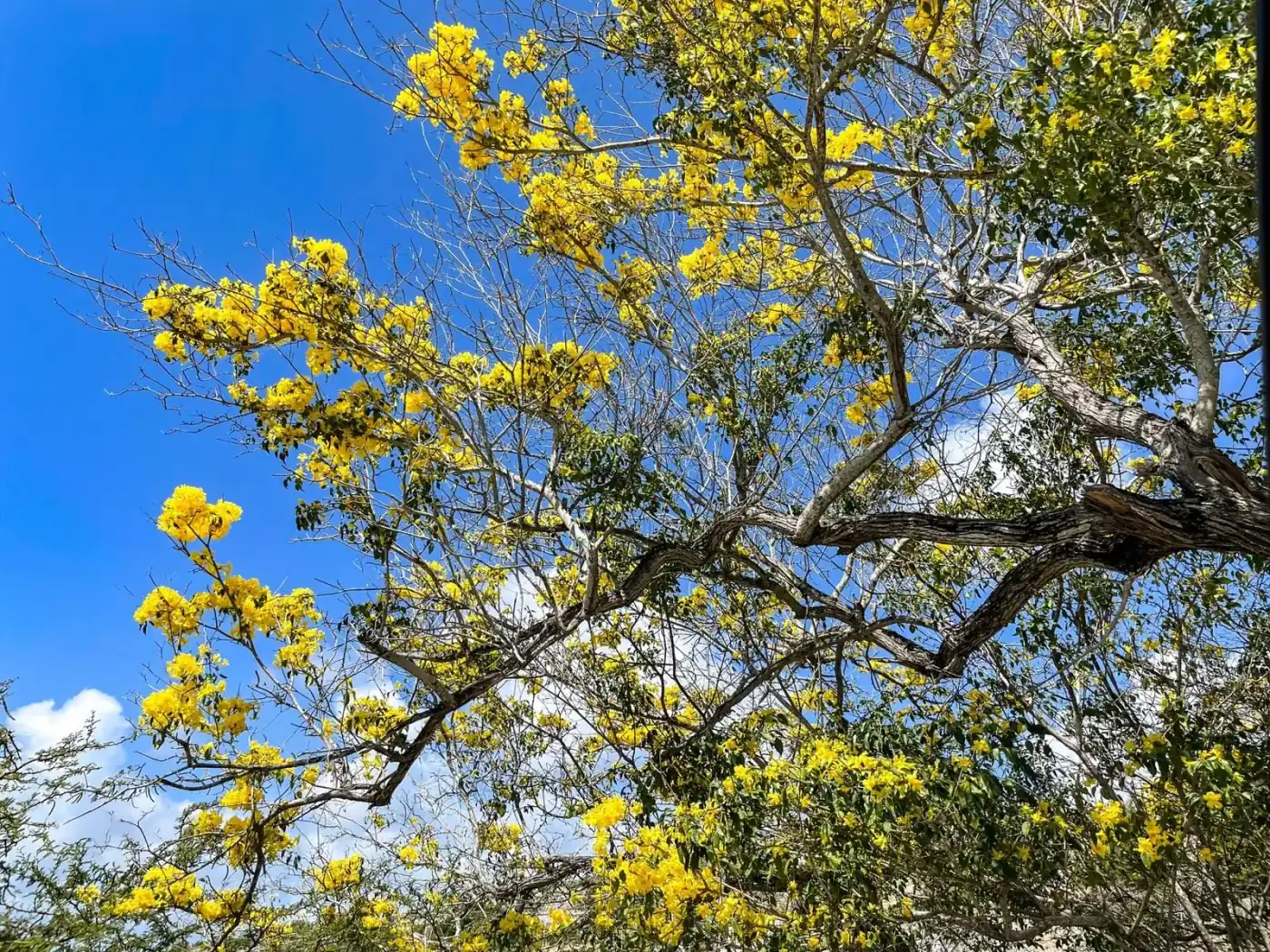
The last part is down, past fragrant flowers and plants. The friends were talking enthusiastically about this beautiful tour and did not expect that the island has so much beauty to offer, not only underwater.
Tips:
Most hiking trails on the island are good and easily accessible. The trails are easy for everyone to do with good walking shoes or even sneakers. A backpack with water and a snack is a must. It is warm and the sun is shining on your head, a cap or hat are not a luxury.
*Kadushi cactus: Is the most common cactus on the island. It is a columnar cactus and can reach a height of 18 m. It is a versatile cactus. You can use it to make soup, a liqueur or a musical instrument.
**Brazil tree: The bark of the Brazil tree is also called paint wood. The wood was used to make red dye. This was then used for the textile industry.
Flamingos are undeniably one of the most iconic animals on Bonaire. Their elegant appearance and striking pink color make them a beloved sight for visitors and residents alike. However, these beautiful birds are not only beautiful to look at, but also essential to the island's ecosystem.
Where Can You Spot Flamingos?
One of the best places to admire flamingos in their natural habitat is Lake Goto. In the early morning, when the light is soft and golden, this lake provides a picturesque backdrop for the flamingos. Here, you can often see large flocks of birds quietly foraging along the shores. Moreover, thanks to the clear water and peaceful atmosphere, it is an excellent spot for nature lovers and photographers to observe the birds.
Additionally, the salt pans at the Pekelmeer Flamingo Sanctuary are another great location to spot flamingos. The spectacular contrast between the white salt mounds and the pink flamingos creates a breathtaking landscape. Because this area is a protected nature reserve, it offers a unique opportunity to see the birds up close without disturbing their natural habitat.
Interesting Facts about Flamingos
Flamingos are fascinating creatures and play an important role in Bonaire's nature. For instance, they owe their beautiful pink color to the carotenoids they ingest through their diet of algae and crustaceans. Although the color of flamingos is their most famous characteristic, their social behavior is at least as captivating. They often live in large colonies and are monogamous, which means they usually stay with the same partner for their entire lives.
Moreover, flamingos have a special filter system in their beaks, which they use to filter food from the water. This process is essential for their survival and demonstrates how well they have adapted to their environment.
The Importance of Flamingos on Bonaire
The flamingos of Bonaire are not only a feast for the eyes but also of vital importance to the island's ecosystem. For example, they help with the dispersal of certain algae and organisms in the salt pans, which contributes to the health of these areas. Their presence is therefore a sign of a healthy and well-functioning ecosystem, which makes their protection all the more important.
With our private tours We offer everyone visiting Bonaire the chance not only to see flamingos in their natural habitat, but also to learn more about their role within Bonaire's ecosystem.



Other Interesting Articles

The ABC islands of Aruba, Bonaire, and Curaçao together form a unique…
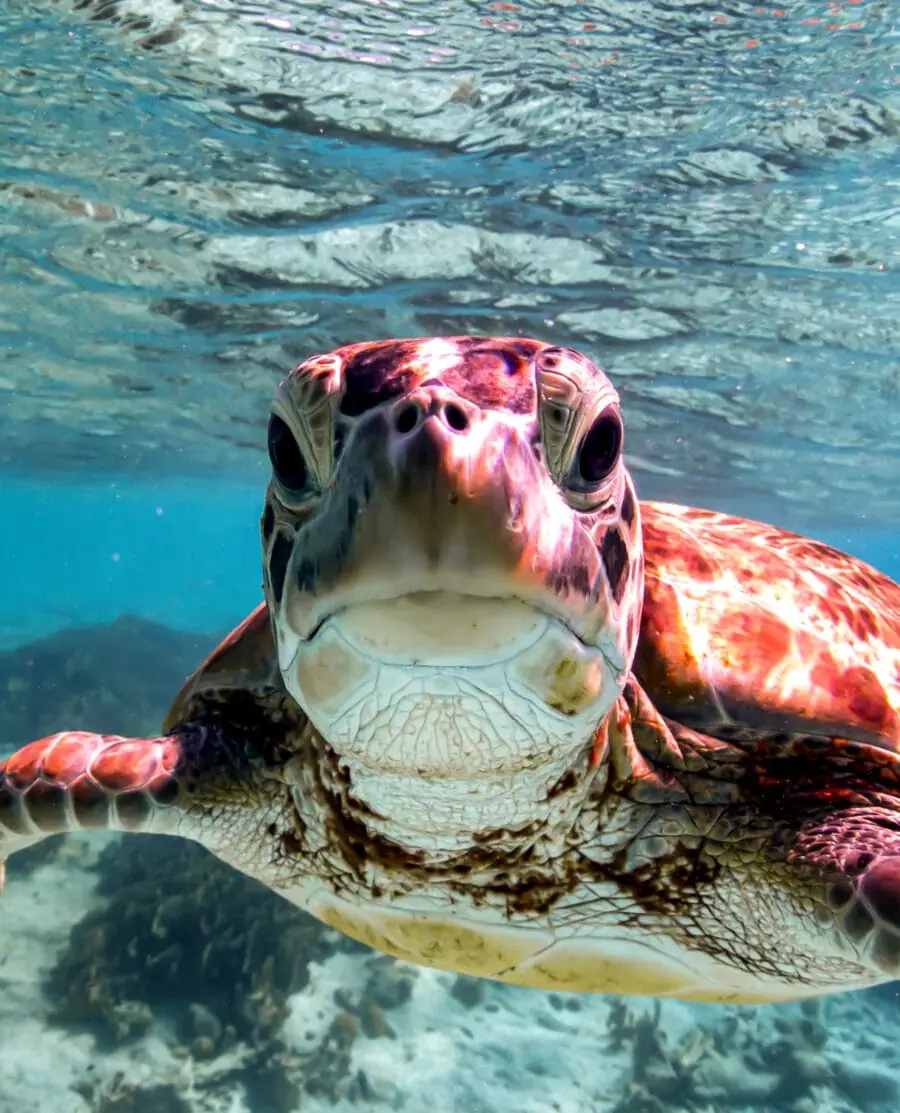
Discover Bonaire's sea turtles! Learn about their species, conservation…
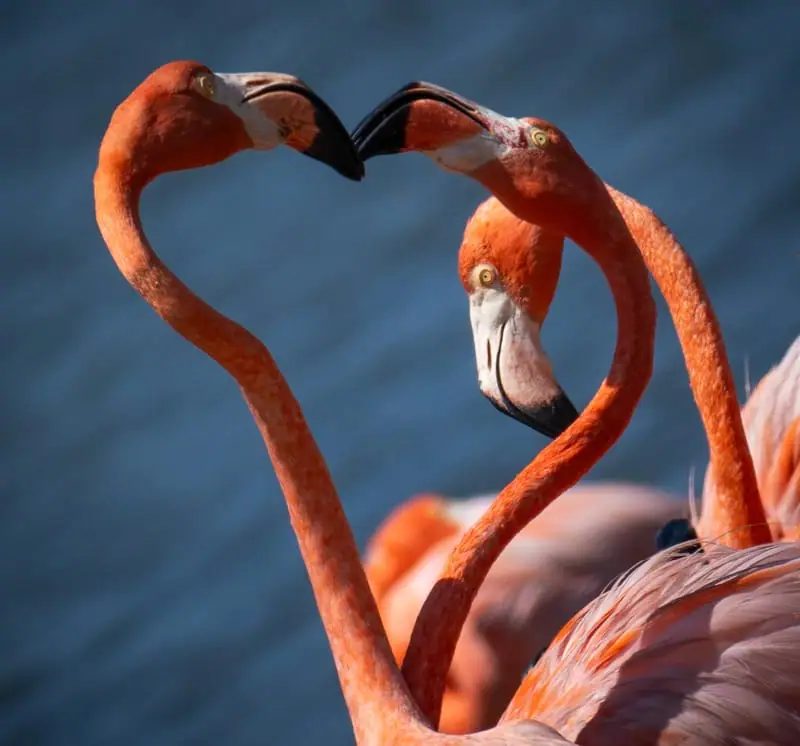
Flamingos are iconic birds with their pink color, social behavior …
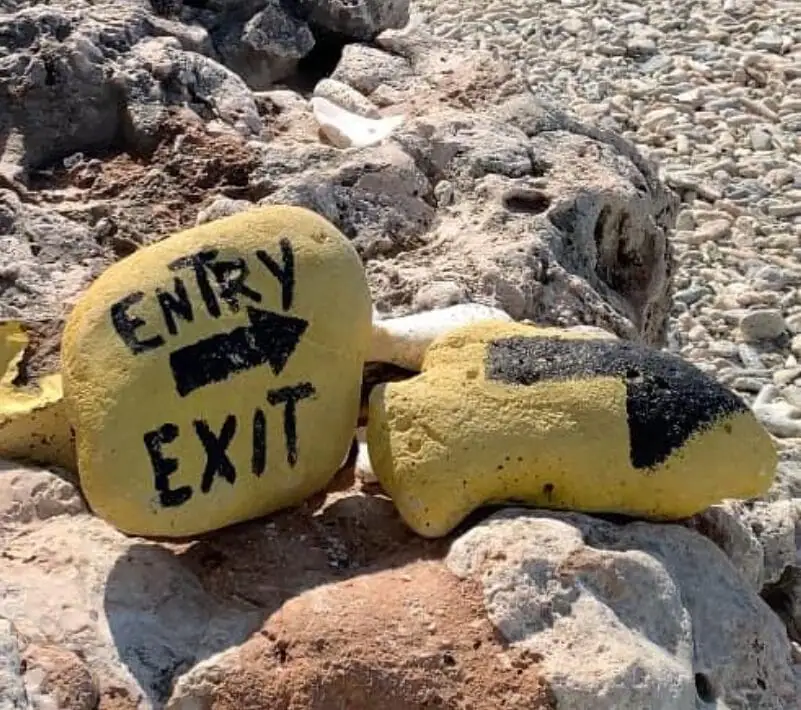
BLOG News about Bonaire and our tours Along the side …
BLOG News about Bonaire and our tours Finally the time …
Blog 3: Hiking on Bonaire
Blog 2: Underwater photo shoot
Blog 1: 'Die Tough, they are good...''